Embracing the later chapters of life requires a fundamental shift in how we perceive medical care. For decades, the standard approach was reactive: we waited for a symptom to appear and then sought a remedy. However, the concept of a wellness arc suggests a more fluid, intentional journey. By focusing on Daily Balance, Mental Clarity, Physical Vitality, and Social Wellness, seniors can move beyond the “patient” identity and become architects of their own longevity.
A proactive strategy is not merely about avoiding illness; it is about optimizing every facet of human experience. This involves creating a personalized ecosystem of professionals, nutritional habits, and physical practices that support the body before a crisis occurs. When we take charge of our health early, we ensure that our future selves have the mobility to travel, the clarity to engage in deep conversation, and the strength to remain independent.
Navigating the Financial Landscape of Aging

The technical side of healthcare often feels like a maze of paperwork and fine print. However, securing your financial health is a prerequisite for physical vitality. Without the right coverage, many of the most innovative and effective treatments remain out of reach. Taking a proactive stance here means looking at your insurance not as a static monthly bill, but as a dynamic tool that should evolve alongside your changing biological needs.
Consult an Expert to Optimize Your Coverage
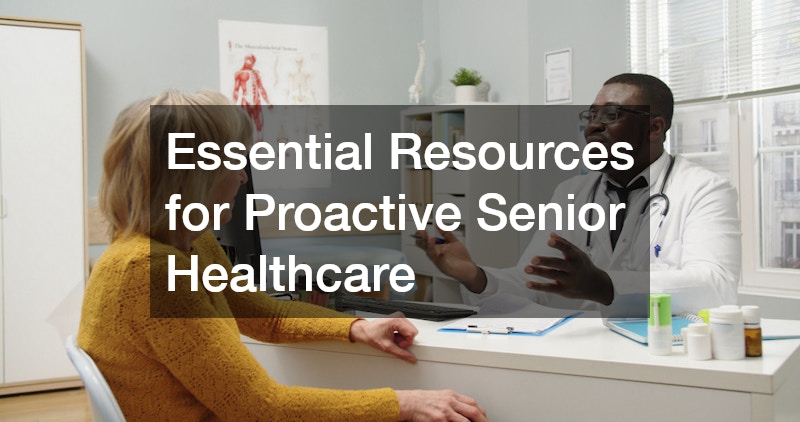
One of the most effective ways to manage the rising costs of specialized care is to work with a dedicated professional who understands the nuances of various insurance tiers. This individual acts as a navigator through the complex world of supplemental plans and Advantage programs. By reviewing your specific prescriptions and lifestyle goals, they can identify gaps in coverage that might otherwise lead to significant out-of-pocket expenses during a medical emergency.
Working with a Medicare broker allows you to compare multiple carriers side-by-side without the bias of a single insurance company’s sales pitch. These professionals are trained to look for plans that include benefits often overlooked by standard policies, such as fitness memberships, vision care, and transportation assistance for medical appointments. An annual review of your policy ensures that, as new benefits are added to the market, you are positioned to take full advantage of them.
Evaluating Advanced Options for Vitality
As we age, the endocrine system naturally slows down, which can lead to a host of issues, including decreased bone density, muscle loss, and persistent fatigue. Proactive seniors are increasingly looking toward medical interventions that address these systemic shifts at the source. Discussing your hormonal health with a specialist can reveal whether your symptoms are a “natural” part of aging or a deficiency that can be safely corrected through modern medicine.
Exploring hormone replacement therapies can be a game-changer for those struggling with the physical toll of aging. When managed by a board-certified endocrinologist or aging specialist, these treatments can help restore lean muscle mass and improve cognitive sharpness. By addressing these internal chemical balances, you are not just treating a symptom but are reinforcing the very foundation of your physical vitality for the decades to come.
Building a Foundation of Nutritional and Physical Strength
What we put into our bodies and how we treat our muscles daily dictates the trajectory of our wellness arc. Nutrition and recovery are two sides of the same coin; one provides the fuel, while the other ensures the engine doesn’t seize up from the friction of daily life.
Curating a Nutrient-Dense Pantry for Longevity
The modern food landscape is filled with processed options that contribute to systemic inflammation, a leading cause of chronic disease in seniors. To combat this, proactive individuals must become conscious consumers who prioritize whole, unprocessed ingredients. This means moving beyond the standard grocery store aisles and seeking out environments that prioritize high-quality, organic produce and sustainably sourced proteins.
Shopping at healthy food stores provides access to specialized items that support senior health, such as fermented foods for gut health and ancient grains that offer sustained energy. These locations often employ staff who are knowledgeable about dietary restrictions and can recommend specific ingredients to help manage inflammation or improve heart health. By making these shops a regular part of your routine, you turn every meal into a preventative treatment.
Integrating Therapeutic Touch into Regular Self-Care
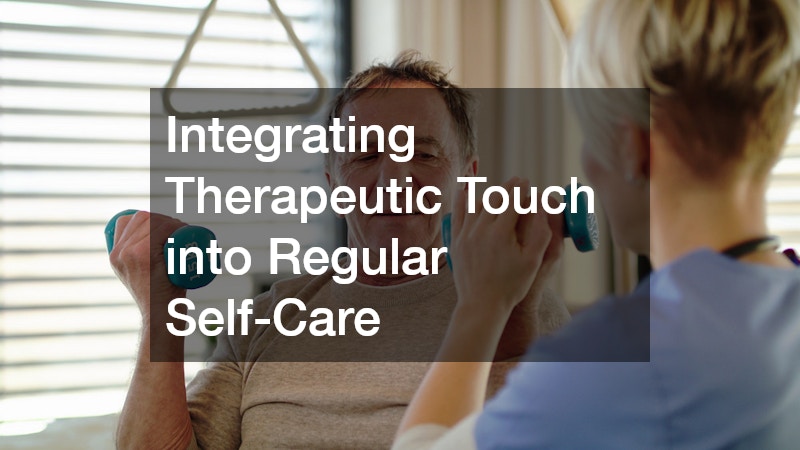
Physical wellness is often misconstrued as being solely about exercise, but recovery is equally important. As we age, our connective tissues lose elasticity, and our circulation can become sluggish. Incorporating manual therapy into your monthly schedule can prevent minor aches from turning into chronic mobility issues. This proactive maintenance keeps the body’s structural integrity intact.
Scheduling regular sessions with a licensed massage therapist can significantly reduce cortisol levels while improving joint range of motion. Beyond simple relaxation, these sessions help in flushing metabolic waste from the tissues and stimulating the parasympathetic nervous system. This type of consistent bodywork ensures that you remain limber enough to participate in the physical activities you love, from gardening to hiking.
Strategic Responses to Acute Health Challenges
Even the most proactive person will eventually face a sudden health hurdle. The difference between a minor setback and a major life alteration often comes down to how quickly and effectively you respond. Having a plan for acute care ensures that you aren’t making high-stakes decisions under the fog of pain or panic.
Identifying High-Quality Urgent Triage Options
When a non-life-threatening injury or illness occurs, the emergency room is often an inefficient and stressful choice. Proactive health management involves knowing exactly where to go for rapid, professional intervention that sits between a primary care visit and a hospital stay. This level of preparedness prevents minor issues from escalating into systemic crises.
Accessing immediate health care centers allows for quick diagnostics, such as X-rays or blood work, without the long wait times associated with major hospitals. These facilities are ideal for treating sprains, respiratory infections, or sudden digestive issues. Knowing the location and hours of the highest-rated clinics in your area is an essential component of a well-rounded senior health strategy.
Selecting the Right Partner for Localized Recovery
If an injury requires ongoing rehabilitation, the quality of the facility and the convenience of its location are paramount. Consistency is the most important factor in any recovery program, and if a clinic is too far away, attendance often suffers. Finding a facility that offers a multidisciplinary approach ensures that all aspects of your physical recovery are handled under one roof.
Researching a local rehabilitation therapy provider before you actually need one allows you to vet their specialties and patient reviews in advance. These centers offer tailored programs that help seniors regain strength and balance after surgeries or accidents. By establishing a relationship with a nearby clinic, you ensure that your path back to full mobility is as seamless and supported as possible.
Specialized Recovery for Heart and Lung Health
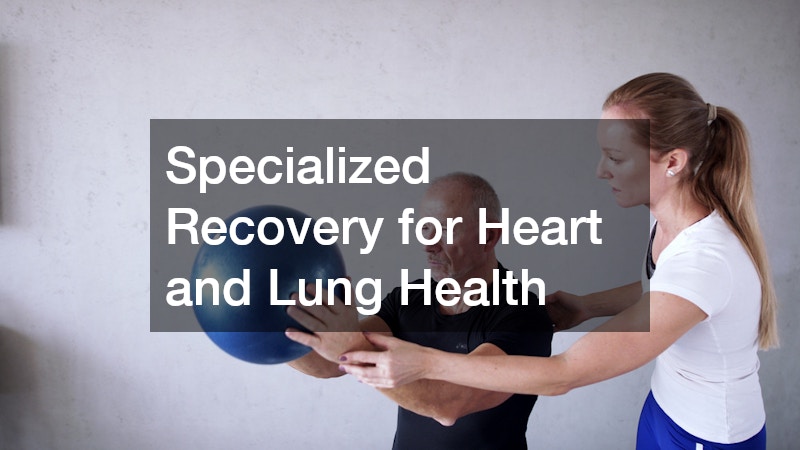
The heart and lungs are the primary engines of our vitality. For seniors managing chronic conditions or recovering from major events, specialized rehabilitation is not an optional extra; it is a vital necessity. These programs provide a safe environment to push physical boundaries while under constant medical supervision.
Strengthening Cardiac Resilience After a Procedure
Following a heart attack or cardiac surgery, the road to recovery can feel daunting. Fear of overexertion often leads to a sedentary lifestyle, which is counterproductive to healing. Specialized programs bridge the gap between the hospital and a return to normal life by providing structured, monitored exercise and education on heart-healthy living.
Enrolling in cardio pulmonary rehabs gives patients access to a team of nurses, physiologists, and dietitians who specialize in heart health. These programs use telemetry monitoring to track your heart’s response to activity in real time, ensuring that every movement is contributing to your recovery without putting you at risk. This guided approach builds the physical and emotional confidence needed to return to an active lifestyle.
Mastering Breathwork and Respiratory Efficiency
Respiratory health is often taken for granted until it is compromised. For those living with chronic obstructive pulmonary disease or recovering from severe pneumonia, learning how to breathe efficiently is a life-altering skill. Clinical intervention in this area focuses on clearing the airways and strengthening the muscles used for inhalation and exhalation.
Participating in a pulmonary rehab program teaches seniors specific techniques, such as pursed-lip breathing and chest physiotherapy, to maximize oxygen intake. These clinics also provide education on how to use inhalers and oxygen equipment effectively. By improving your respiratory capacity, you increase your overall stamina, making it easier to engage in social activities and daily chores without becoming winded.
Protecting Cognitive and Emotional Wellbeing
Mental clarity and emotional resilience are the “software” that runs the “hardware” of the body. Without a sharp mind and a balanced emotional state, physical health loses much of its value. Proactive seniors must be just as diligent about their neurological health as they are about their cholesterol levels.
Enhancing Neuroplasticity and Cognitive Function
The brain possesses a remarkable ability to reorganize itself by forming new neural connections throughout life. Whether you are recovering from a stroke or simply want to stay ahead of age-related cognitive decline, targeted neurological therapy is essential. This proactive engagement keeps the mind sharp and the body’s coordination precise.
Engagement in neuro rehab can help individuals improve their executive function, memory, and motor control. These programs often utilize advanced technology, such as virtual reality or biofeedback, to stimulate brain activity in areas that have been affected by injury or aging. By challenging the brain in a structured clinical setting, you can maintain the independence that comes with high-level cognitive function.
Prioritizing Emotional Resilience and Community Connection
Social wellness and emotional health are deeply intertwined. The transition into seniorhood can sometimes bring feelings of isolation or anxiety regarding the future. Addressing these feelings head-on is a sign of strength and a key component of the wellness arc, as emotional distress can manifest as physical illness.
Focusing on your mental health through therapy or support groups provides a safe outlet for processing the changes that come with aging. Professionals can offer strategies for managing stress and maintaining a positive outlook, which has been scientifically linked to better physical health outcomes. When your mind is at peace, your body is better equipped to heal and thrive.
The Integrated Path to Longevity
Maintaining a high quality of life as a senior is an active pursuit that requires a diverse set of tools. To help you organize these resources, consider the following checklist for a proactive health strategy:
- Audit Your Logistics:
- Schedule an annual meeting with a specialist to review your insurance coverage.
- Keep a list of the closest urgent care centers and their specific capabilities.
- Ensure your medical records are digitized and easily accessible to all your providers.
- Optimize Your Daily Environment:
- Identify three local sources for fresh, organic ingredients to ensure dietary variety.
- Establish a relationship with a bodywork professional to address structural tension.
- Create a “movement sanctuary” in your home for daily stretching and balance exercises.
- Plan for Specialized Care:
- Research local clinics that specialize in neurological and cardiac recovery.
- Talk to your primary doctor about preventative screenings for hormonal and metabolic health.
- Join a community group or seek counseling to keep your social and emotional pipes clean.
- Monitor and Adjust:
- Keep a wellness journal to track changes in energy, sleep quality, and mood.
- Revisit your goals every six months to ensure your current routine still serves your needs.
- Stay informed about new medical technologies and therapeutic approaches.
True wellness is found in the balance between professional medical support and personal lifestyle choices. When you invest in your health today, you are essentially buying time and freedom for your future. The resources mentioned in this guide are the building blocks of a life lived with intention and vigor. As you navigate your own wellness arc, remember that every small choice—from the food you buy to the specialists you consult—contributes to a larger picture of vitality. Start today by choosing one area to improve, and watch as the cumulative effect transforms your experience of aging into one of growth and discovery.