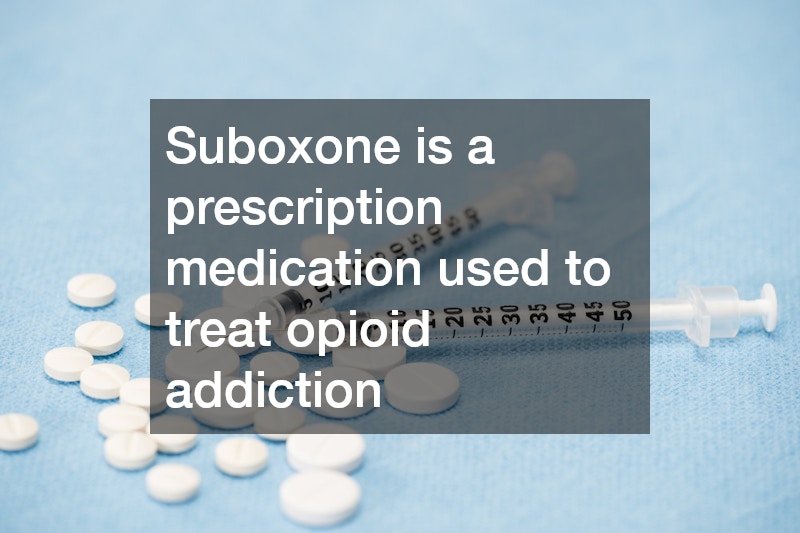
Suboxone is a prescription medication used to treat opioid addiction. It is composed of two main ingredients: buprenorphine and naloxone. Buprenorphine is a partial opioid agonist, meaning it partially activates the opioid receptors in the brain, offering some of the effects of opioids but with a ceiling effect that reduces the risk of misuse. Naloxone, on the other hand, is an opioid antagonist and works to block opioid receptors, reversing the effects of opioid overdose if Suboxone is misused. Together, these components make Suboxone a powerful tool in combating opioid dependency while minimizing potential abuse.
The combination of buprenorphine and naloxone makes Suboxone unique compared to other opioid addiction treatments. This combination therapy helps reduce cravings and withdrawal symptoms that individuals experience when they stop using opioids. Unlike methadone, which is another medication-assisted treatment, Suboxone can be prescribed in a office setting, making it more accessible to patients. Its formulation deters misuse because the naloxone component prevents the euphoric effects typically associated with opioids. As a consequence, patients using Suboxone are less likely to experience the highs that contribute to addiction.
The use of Suboxone in addiction treatment represents a more flexible and controlled approach to managing opioid dependency. Due to its effectiveness in decreasing cravings and withdrawal symptoms, it allows patients to focus more on their recovery and less on the physiological dependency. Both components work synergistically to provide a stable platform for patients, facilitating their engagement in counseling and behavioral therapies, which are critical components of a successful recovery. The Suboxone doctor‘s role is to monitor this progress, adjusting dosages as needed to optimize treatment outcomes.
When is it Appropriate to See a Suboxone Doctor?
Signs of Opioid Addiction
Recognizing the signs of opioid addiction is critical in determining when to consult a Suboxone doctor. Common indicators include uncontrollable cravings for opioids, inability to stop usage despite the negative impact on one’s life, and experiencing withdrawal symptoms when not using the drug. Physical signs might include drowsiness, weight loss, and flu-like symptoms, whereas emotional symptoms can include anxiety and depression. If these signs are present, it’s advisable to seek professional help to assess the severity of dependence. Early intervention by a Suboxone doctor can significantly alter the trajectory of addiction, promoting a better quality of life.
In addition to personal observation, input from family and friends can be crucial in identifying opioid addiction. Loved ones often notice behavioral changes or shifts in priorities that the affected individual may overlook. Acknowledging the addiction is the first step towards recovery, as denial can be a significant barrier to seeking help. Consulting with a Suboxone doctor can offer a comprehensive understanding of the extent of addiction and outline potential treatment routes. A well-timed consultation can pave the way for healthier coping mechanisms, reducing the risk of long-term dependency.
Sobriety may appear challenging, but understanding when to see a Suboxone doctor can demystify this pursuit. Frequent and escalating use of opioids that interferes with daily life and responsibilities is a watershed moment prompting the need for professional assistance. Involving a seasoned Suboxone doctor early can not only reduce the physical grip of opioids on the body but also tackle underlying psychological issues. The stigma around seeking help can often deter individuals, but recognizing the courage it takes to reach out, a Suboxone doctor can provide reassurance and structured support to reclaim one’s life.
What Should You Expect During Treatment?
Treatment Timeline
Understanding the typical timeline for Suboxone treatment is essential for setting expectations. Treatment usually begins with an induction phase, where the doctor determines the appropriate starting dose while monitoring for side effects and withdrawal symptoms. This phase may last a few days to a week. Following induction, stabilization occurs, where the dose is adjusted to eliminate cravings and withdrawal symptoms. This phase can last several weeks to months, as the patient’s symptoms and response to the medication are closely monitored. Finally, in the maintenance phase, which can last for months or even years, the focus is on maintaining the optimal dose for the patient’s sustained recovery.
The length of each phase can vary significantly depending on the individual and the severity of their addiction. A Suboxone doctor tailors the treatment to meet each patient’s unique needs, ensuring that any adjustments support optimum recovery. During the treatment process, regular follow-ups enable the doctor to track progress, manage any side effects, and provide the right level of medication. Patients are encouraged to actively participate in their treatment, communicating openly with their healthcare provider about their experiences and challenges. Collaboration with a medical professional ensures that the treatment plan evolves to meet changing circumstances over time.
Patience is crucial during Suboxone treatment, as the timeline adapts according to patient-specific responses and goals. While some individuals may progress rapidly through the phases, others may require longer periods to stabilize efficiently on the medication. Navigating the treatment journey with a supportive network and consistent medical supervision allows individuals to concentrate on recovery milestones rather than just medication. The guidance of a Suboxone doctor can be invaluable, offering insight, encouragement, and adjustments that account for various aspects of the recovery process. Long-term success often delves beyond medication, integrating therapy and lifestyle changes to enable sustainable progress.
How Can Family and Friends Help?
Understanding Addiction
Family and friends serve as a crucial support network for individuals undergoing Suboxone treatment. Understanding the nature of addiction is key to providing meaningful support. Addiction is a complex disease affecting brain function and behavior, and it is important to approach it with sensitivity and empathy. Education about the physiological and psychological aspects of addiction can prepare loved ones to offer informed assistance. With a clear understanding, families can better recognize the challenges of recovery and resist placing blame on affected individuals, fostering a more supportive environment.
Providing a non-judgmental atmosphere is one of the most supportive acts families and friends can extend during treatment. By fostering open communication, individuals feel safer voicing their struggles without fear of criticism. Engaging in dialogues about daily achievements, challenges, and progress during outpatient or inpatient treatments can strengthen relationships and boost recovery efficacy. Encouraging loved ones to engage in supportive groups or counseling sessions can further their understanding and capacity to contribute positively to the recovery journey. The involvement of family and friends can exponentially enhance the therapeutic efficacy of both medicinal and behavioral interventions.
Beyond understanding the disease, encouraging a positive, recovery-focused lifestyle is vital. Families can assist in maintaining schedules, encouraging healthy pursuits, and reducing exposure to triggers that may induce relapse. Suboxone treatment often emphasizes behavioral change, and with familial support, individuals are better equipped to implement these adjustments consistently. Encouragement goes a long way in helping patients adhere to their treatment, maintain motivation, and pursue additional therapies necessary for their recovery. Reassurance and consistent support build a solid foundation for sustainable sobriety and long-term well-being.
What are the Long-term Outcomes of Suboxone Treatment?
Success Rates
The long-term outcomes of Suboxone treatment are generally positive, with many patients achieving sustained recovery. Statistics indicate that patients who remain in medically-assisted treatment programs like using Suboxone are more likely to abstain from illicit opioid use and achieve long-term sobriety compared to those who do not receive such support. The integration of Suboxone with behavioral therapies and counseling has shown increased retention in treatment and continued progress towards recovery goals. The role of the Suboxone doctor in monitoring treatment effectiveness and adjusting plans as required cannot be overstated, as individualized care significantly contributes to success.
It is essential to acknowledge the challenges of long-term management and the possibility of relapse despite treatment. However, Suboxone provides individuals with a tool to manage craving and reinforce efforts in maintaining sobriety. Continued medical supervision can guide patients through relapse episodes, with a focus on reestablishing control and recalibrating treatment plans. By addressing the complex needs of individuals and the psychological triggers for addiction, continued Suboxone treatment often results in improved quality of life. Emphasizing adherence to an evolving and comprehensive treatment plan enhances the likelihood of positive long-term outcomes.
Lifestyle changes are a significant component of long-term recovery, and Suboxone treatment facilitates this transformation. Patients often experience reduced cravings and a stabilized mental state, enabling them to engage in healthier routines and life decisions. With ongoing professional support, occupational and social rehabilitation is possible, fostering reintegration into meaningful roles within the community. Suboxone treatment outcomes extend beyond sobriety, promoting holistic well-being and sustainable life adjustments. The endurance and commitment fostered through treatment translate into sustained recovery and personal growth, underscoring the crucial role of a Suboxone doctor in guiding this process.
Seeking treatment from a Suboxone doctor can be a pivotal step towards recovery from opioid dependence. Comprehensive understanding and support are key components in achieving successful outcomes, with both medical guidance and love from family playing integral roles in this journey.