
Healthcare includes far more than annual physicals and visits when someone feels sick. People use a wide range of services to maintain their health, address symptoms, recover from injuries, and manage changes that affect everyday life. Some appointments focus on prevention, while others involve specialized treatment, rehabilitation, or practical tools that make daily activities easier. Knowing what different providers offer helps patients recognize when additional care could be useful.
Choosing appropriate services starts with understanding individual needs rather than assuming one approach works for everyone. A person who wants to improve mobility might need a different type of support than someone seeking vision correction or help with emotional challenges. Primary care professionals can often help patients identify priorities, review medical histories, and coordinate referrals. From routine screenings to structured recovery programs, today’s healthcare options give people multiple ways to address concerns and work toward realistic goals. Preparing questions before appointments can help patients use their time effectively.
Preventive Care and Routine Health Assessments
Preventive care helps people monitor changes in their health before those changes disrupt daily routines. Primary care visits typically include conversations about symptoms, family history, medications, and lifestyle habits. Depending on age and individual circumstances, a clinician might recommend blood pressure checks, laboratory tests, vaccinations, or screenings for particular conditions. These visits also provide opportunities to ask questions that can be difficult to address during an urgent appointment.
Regular assessments do not prevent every illness, but they can reveal concerns that deserve closer attention. A provider might notice a change in a patient’s energy level, discuss sleep difficulties, or identify a reason to refer someone to a specialist. Keeping an updated record of medications and previous test results can make these conversations more productive. Patients should also mention supplements and over-the-counter products because those can influence treatment decisions.
Preventive healthcare extends beyond a single office. Dental offices may provide routine cleanings and oral examinations, while vision professionals assess eyesight and eye health. People who rely on corrective lenses should ask how often follow-up visits make sense for their circumstances. Rather than viewing routine appointments as unrelated tasks, patients can think of them as parts of an ongoing plan that supports overall well-being. Keeping a simple calendar of recommended appointments can make preventive care easier to maintain through busy periods.
Hormonal Health and Individualized Medical Treatment
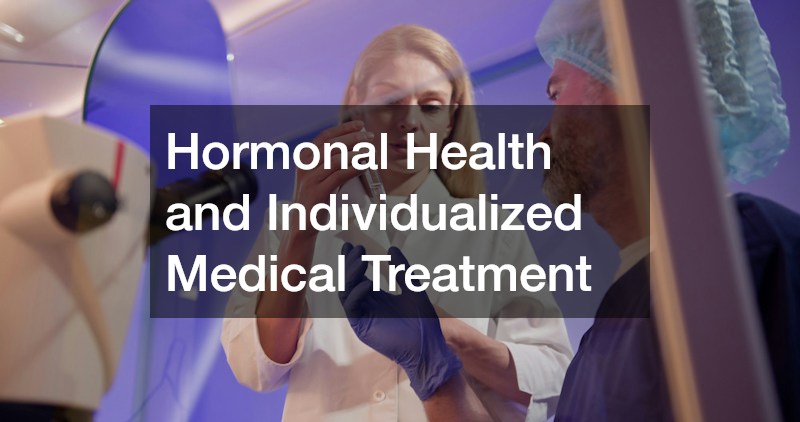
Hormones influence many functions, including metabolism, reproductive health, growth, and the body’s response to stress. Changes in hormone levels can occur with aging, underlying conditions, medications, or other factors. Because fatigue, mood changes, and sleep difficulties can have many causes, symptoms alone cannot establish whether someone has a hormonal disorder. An evaluation should consider medical history, relevant testing, and alternative explanations before treatment begins.
Hormone replacement therapy is one option clinicians may discuss when a diagnosed condition or life stage makes it appropriate. Treatment choices vary significantly depending on the hormone involved, the patient’s health history, and the expected benefits and risks. For example, a discussion about menopausal symptoms differs from an evaluation of a thyroid disorder. Appropriate monitoring is important because doses, side effects, and health needs can change over time.
Patients considering hormone replacement therapy should ask what symptoms a treatment is intended to address and how progress will be measured. It is also reasonable to discuss alternatives, potential complications, and circumstances that could make a therapy unsuitable. No treatment should be viewed as a universal solution for low energy or general wellness concerns. Informed decisions come from individualized medical advice, realistic expectations, and follow-up with a qualified clinician. Patients should also ask who to contact if new symptoms appear or if a prescribed treatment becomes difficult to manage.
Foot Care and Services That Support Mobility
Healthy feet contribute to balance, comfort, and movement throughout the day. Yet foot problems are easy to overlook until walking, standing, or exercising becomes uncomfortable. Persistent heel pain, changes in toenails, skin irritation, and recurring injuries can interfere with work and recreation. Foot care may be especially important for people with diabetes, circulation concerns, or conditions that affect sensation.
A local podiatrist can evaluate problems involving the feet and ankles and explain suitable next steps. Depending on the concern, care might include footwear recommendations, exercises, orthotic devices, wound management, or additional testing. Some conditions require coordination with primary care clinicians, physical therapists, or other specialists. Seeking an assessment for symptoms that persist or worsen is generally more useful than repeatedly trying treatments without knowing the cause.
Mobility also depends on practical choices outside appointments. Shoes should fit the shape of the foot and suit the activities a person performs. People who spend long hours standing may benefit from reviewing their footwear and workplace routines. Those returning to activity after an injury should follow an appropriate recovery plan instead of assuming discomfort must be pushed through. With individualized guidance, foot care can support safer and more comfortable movement. Attention to small changes in walking patterns can also help people recognize when additional support might be appropriate.
Rehabilitation Services for Neurological and Physical Recovery
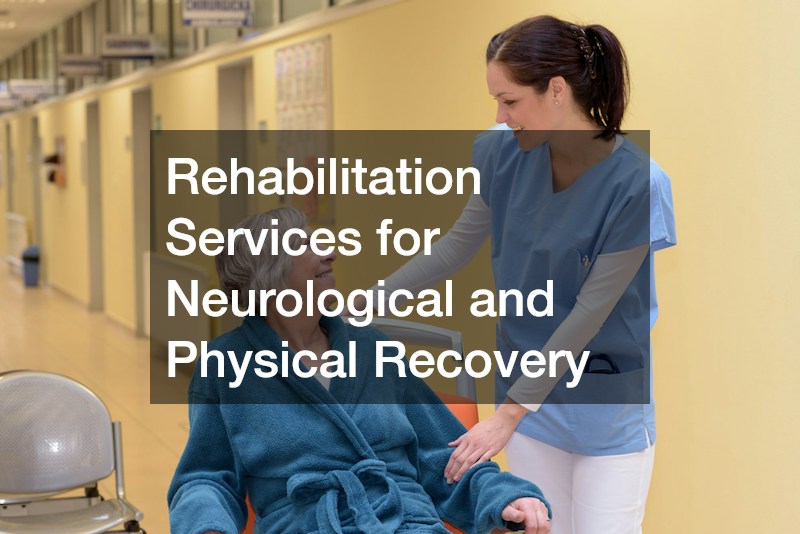
Rehabilitation focuses on helping people recover abilities, adapt to limitations, and participate more fully in daily activities. Needs vary widely after an injury, surgery, or neurological illness. Some patients work on strength and endurance, while others need support with coordination, speech, swallowing, or completing familiar tasks. An effective rehabilitation plan starts with an assessment of what the person can currently do and which goals matter most.
Neuro rehab is designed for people experiencing difficulties related to the nervous system. Depending on the condition, a rehabilitation team could include physical therapists, occupational therapists, speech-language pathologists, physicians, and other professionals. Treatment may address balance, movement, cognition, communication, or strategies for managing everyday activities. Recovery timelines differ, and progress does not always follow a straight path.
The setting can also vary. Some individuals receive services in a hospital or rehabilitation facility, while others attend outpatient appointments or receive care at home. Caregivers may learn techniques that make routines safer and easier to manage. When patients and clinicians establish specific, meaningful goals, they have a clearer way to evaluate progress and adjust the plan. Rehabilitation is often about improving independence and participation, not simply completing a prescribed number of exercises. Families can support progress by discussing goals with the person receiving care.
Mental Health and Structured Outpatient Support
Mental healthcare includes counseling, psychiatric evaluation, medication management, crisis services, and programs offering different levels of support. Someone dealing with ongoing anxiety, depression, substance use concerns, or other challenges may need more than occasional appointments. The appropriate level of care depends on symptoms, safety, daily functioning, and professional assessment. Receiving additional support is not a sign that someone has failed at managing their health.
An intensive outpatient program typically provides structured treatment during scheduled sessions while allowing participants to live at home. Programs differ, but they may combine group therapy, individual counseling, practical coping strategies, and coordination with other healthcare providers. Some focus on mental health conditions, while others address substance use or particular recovery needs. Attendance expectations and treatment methods should be explained before enrollment so patients understand what participation involves.
An intensive outpatient program is not appropriate for every situation. People who need immediate protection, medical stabilization, or around-the-clock care may require a different setting. For those who are eligible, structured outpatient treatment can offer more consistent support than infrequent appointments without requiring a residential stay. After the program ends, follow-up care and community resources can help maintain continuity. Patients can ask about professional credentials, family involvement, and how the program measures progress. Transportation and insurance coverage matter when comparing programs.

Exercise, Athletic Training, and Injury Prevention
Physical activity can support cardiovascular fitness, muscular strength, flexibility, and everyday functioning. However, exercise plans should account for a person’s health, current abilities, and experience. Someone returning after surgery has different needs from an athlete preparing for competition. Increasing activity too quickly or ignoring recurring pain can create setbacks, making guidance useful when goals or physical limitations are complex.
Athletic training involves professionals who help prevent, recognize, evaluate, and manage injuries associated with physical activity. Athletic trainers may work in schools, sports organizations, clinics, or occupational settings. Their responsibilities can include emergency response, rehabilitation support, and coordination with physicians or other providers. Athletic training should not be confused with general personal training, which primarily focuses on exercise instruction and fitness programming.
For people beginning a new exercise routine, consistency often matters more than dramatic changes. Gradually increasing activity, using appropriate equipment, and allowing time for recovery can help make movement sustainable. Those with medical conditions or unresolved injuries should discuss suitable activity levels with a healthcare professional. A thoughtful plan considers not only performance goals but also sleep, nutrition, mobility, and signs that an adjustment is necessary. The aim is to support long-term participation rather than chase rapid results. Recording activity levels and recovery symptoms can provide useful information when a trainer or clinician recommends changes to the plan.
Medical Equipment and Resources for Daily Living
Healthcare sometimes depends on the tools people use between appointments. Mobility aids, home monitoring devices, braces, and accessibility products can make specific tasks easier or help people follow treatment recommendations. The right equipment depends on the user’s condition, living environment, abilities, and clinician’s instructions. A product that works well for one person may be inconvenient or unsuitable for another.
Medical equipment stores offer a range of products designed for recovery, personal care, and everyday assistance. Depending on the retailer, shoppers may find walkers, canes, compression products, bathroom safety equipment, or home health supplies. Some items require a prescription or professional fitting, and certain devices benefit from training before use. Patients should confirm compatibility, size, maintenance needs, and return policies rather than selecting equipment based solely on price.
For example, a poorly adjusted walking aid can make movement more difficult instead of easier. An occupational therapist or physical therapist may help determine which features suit a person’s abilities and home setup. Caregivers can also ask for instructions on cleaning, storage, and safe operation. When purchasing from medical equipment stores, it is useful to clarify what support is available after the sale. Proper selection and instruction help equipment serve its intended purpose within a broader care plan. It is also worth checking whether replacement parts and accessible customer support will be available if needs change.

Vision and Dental Care for Everyday Confidence
Vision and oral health affect activities people perform every day, from reading and driving to eating and speaking comfortably. These services are sometimes treated as cosmetic or optional, but routine evaluations can identify changes that require attention. Regular visits also give patients a chance to discuss discomfort, changes in function, and treatment preferences before problems become more disruptive.
Eye exams can assess visual acuity, prescription changes, and aspects of eye health. The appropriate frequency depends on factors such as age, symptoms, existing conditions, and professional advice. After an evaluation, an eyeglasses store can help patients compare frames and lenses that match their prescription and daily needs. Lens materials, fit, and intended activities may influence the final choice. Sudden vision changes or eye pain, however, should be assessed promptly by an appropriate healthcare professional rather than addressed only through new glasses.
Dental offices provide preventive examinations, cleanings, restorative care, and consultations about alignment. A patient interested in a clear aligner treatment should first have an assessment to determine whether that approach suits their teeth, bite, and oral health. Clear aligner treatment involves ongoing monitoring and patient participation, and more complex concerns may require different orthodontic options. Comparing services is useful, but treatment decisions should prioritize clinical suitability over convenience or appearance alone.
Maintaining regular communication with providers makes these services easier to coordinate. People can bring questions about costs, follow-up schedules, and how treatments might affect everyday routines. When vision, dental, and other healthcare needs are considered together, patients can develop practical habits that support comfort, function, and long-term quality of life. Clear explanations and realistic expectations can make ongoing care less confusing, especially when several professionals are involved in treatment.